There is a moment every driver recognises: a soft pull on the steering wheel at 40 mph, a muted thud over potholes, or that faint but unmistakable hum that grows with speed. Tyres rarely fail in dramatic fashion. They age, they wear, they harden, and eventually they ask for attention. In Croydon, where ring roads meet residential cut-throughs and a daily parade of vans, taxis, and family cars navigates speed cushions and tight kerbs, tyres work hard. Knowing how a proper tyre fitting should go, from the first phone call to the final torque check, helps you safeguard not only the car’s performance but the quiet confidence that comes with doing things right.
This is a customer’s step-by-step journey through tyre fitting in Croydon, written from years of workshop experience. It includes the decisions you will face, the checks a good fitter performs, and the small details that separate a quick tyre change from a professional tyre replacement that keeps your car stable, quiet, and safe Click for info long after you leave the bay.
Where the journey begins: recognising the need
Tyres speak, sometimes subtly. People often arrive for tyre fitting in Croydon after one of four triggers: a failed MOT on tread depth, a roadside puncture, persistent air loss, or a change in the car’s behaviour that is hard to pin down. The classic signs include longer stopping distances on damp mornings, steering that wanders on the Purley Way, or a steering wheel vibration around 60 to 70 mph that wasn’t there last month. If you are rotating between school runs in Shirley and weekend trips to Box Hill, that vibration might become a constant companion.
The tyre replacement conversation usually begins with a simple truth: not all wear is equal. Feathered edges point to toe misalignment, inner shoulder wear suggests camber or low pressure, and cupping can signal tired suspension. A good technician in Croydon will notice these patterns before you do, because they see them every day. When a customer calls about a tyre change Croydon drivers often add, “I keep hitting that same pothole past the tram stop.” That one detail informs the inspection, the brand recommendation, and the alignment strategy.
Booking with intent: what to ask before you go
Most people phone or book online. The best conversations are short but specific. State your tyre size, if possible: it is printed on the sidewall in a format like 205/55 R16 91V. If you are unsure, give the registration and ask the fitter to confirm. Availability varies, especially for larger SUV sizes and UHP tyres. A straightforward 205/55 R16 will be on the shelf almost anywhere in Croydon. A 255/45 R20 run-flat for a BMW X5 may need sourcing. If your car uses TPMS valves with aluminium stems, mention it. Croydon’s winter grit and year-round rain accelerate corrosion, and the fitting bay can prepare with the right service kits.
Time matters. A single tyre fitting takes roughly 20 to 30 minutes if everything goes smoothly. A full set with alignment can run 90 minutes to two hours, depending on the state of the suspension bolts and how seized the track rod ends are. If you are commuting past Wellesley Road during rush hour, plan for midday or late afternoon slots when bays are quieter. Mobile tyre change Croydon services can help if the vehicle cannot be driven. Ask about call-out areas and whether the service van carries TPMS kits and run-flat capability.
Budget is not a dirty word. Be clear about it. A well-run Croydon workshop has options across premium, mid-range, and budget tiers. Safety does not require the costliest rubber, but tyres differ in wet grip, noise, fuel economy, and lifespan. You are not paying for a brand sticker; you are paying for compound quality, carcass construction, siping design, and how consistent the tyre remains as it wears over 15,000 to 25,000 miles. A great fitter will explain these differences without upselling for the sake of commission.
Arrival and first impressions: a bay that runs on habits
Walk into a proper tyre fitting Croydon bay and you will feel certain habits immediately. Clean bead paste tubs. Balancer with fresh calibration stickers. A torque wrench with an inspection log. Valve core trays and TPMS service kits sorted by thread type. The rhythm shows in the way the technician greets you, asks where the spare locking wheel nut key is, and confirms tyre sizes and load ratings before the car even goes up.
Good fitters check tread depth and wear pattern on all four corners before going further. They note the date codes on the tyres, the brand mix, and any signs of cracking or perishing. If you arrived for a puncture repair, they will mark the nail location, measure the puncture angle, and assess whether the damage is within the repairable zone defined by British Standards. Punctures near the shoulder or sidewall are non-repairable, no matter what a backstreet fix might promise. Safety outranks convenience.
Expect a quick conversation about the type of tyre replacement Croydon drivers typically choose for your car class. If your driving is 80 percent city errands and 20 percent A23 runs, a tyre with strong wet braking and low noise takes priority over raw steering feel. If you drive a hot hatch and enjoy B-road pace toward Warlingham, you may ask for sharper turn-in and a stiffer sidewall. The compound mixture and construction vary, and a good fitter will translate engineering jargon into what it means at the wheel.
The upfront checks: before a single wheel comes off
This is where experience shows. Your fitter should:
- Confirm the manufacturer’s recommended pressures from the door jamb or owner’s manual, and ask about your typical load. If you regularly carry tools or a pram and two kids, the rear pressures might run a tad higher. Inspect the wheels for existing damage. Scratches and bent lips get documented. This protects you and the workshop. Identify the type of TPMS fitted. Direct systems use in-wheel sensors. Indirect systems use ABS data. If your car has direct TPMS, special care is needed when breaking the bead and inflating the new tyre. Check the spare wheel, if you have one, and its pressure. After 12 months in the boot, spares are often down by 10 to 15 psi. That becomes a roadside headache. Good fitters will top it up without being asked.
If alignment is on the menu, they will ask about steering pull, recent kerb strikes, and any suspension work. Croydon’s speed cushions chew through drop links and bushings. If your car knocks on full lock or clunks over ramps, flag it. Aligning a car with worn bushes is like setting a table on a wobbly leg.
Removing the wheel: small acts that prevent big headaches
Taking a wheel off sounds trivial, but execution matters. The best fitters crack bolts or nuts by hand, not with an impact gun set to “ludicrous.” Alloy wheels often use hub-centric fitment with a tight interface that corrodes. A light smear of ceramic grease on the hub face during refit prevents galvanic bonding and the next wheel-off becomes a clean slide rather than a hammer job.
Locking wheel nuts are a frequent snag. If your key is worn, say so early. A stuck locking bolt can turn a 30-minute job into a two-hour rescue. Workshops in Croydon keep extractors and replacement kits. If the key slips, they will stop and discuss options before making things worse.
On run-flats, lifting technique matters. Long bar levers and wrong angles damage beads. A tilt-column tyre machine, rim protectors, and patience are your friends. A rushing fitter is the one who nicks a bead or scratches a diamond-cut rim. Watch the methodical ones; they rarely fight the tyre, they guide it.
Inspecting the old tyre: reading the story it tells
Once the tyre is off, a good technician takes 30 seconds to read it. Inner edge wear, especially on front tyres, is a common Croydon signature due to repeated hard cornering and speed cushion impacts. Uneven shoulder scuffing indicates toe-out. A postcard-sized flat spot hints at emergency braking or ABS activation during a panic stop. Embedded grit along the bead shows a previous poor fit or inflation while the bead was still mis-seated.
Tyre ageing appears as fine cracks between tread blocks or on sidewalls. After five to six years, even with decent tread left, rubber compounds harden. Wet braking distances increase. If your car spends days parked curbside near Park Hill, UV and variable temperatures accelerate this process. A respectable workshop will not force a sale, but they will explain that compound age, not just tread depth, governs stopping performance.
Choosing the right replacement: beyond size and brand
Tyre size and speed rating are non-negotiable for safety and legality, but you have genuine choices to make. Premium tyres from the likes of Michelin, Continental, Goodyear, Bridgestone, and Pirelli lead in wet grip and consistency. Mid-range brands from established manufacturers often share older but proven technology at lower cost. Budget tyres exist for tight circumstances, and while some are acceptable in dry conditions, the spread in wet performance can be dramatic. If you drive through Croydon’s winter rains on the A232, stopping distances matter.
Three considerations often tip the decision:
- Wet braking vs. rolling resistance. A tyre that stops shorter usually pays with slightly higher fuel consumption. The trade-off is seldom large, but it exists. If you drive 8,000 to 10,000 miles a year, the difference may be 0.2 to 0.3 litres per 100 km. Noise ratings. On coarse tarmac near flyovers, a quieter pattern transforms the cabin. A reduction of 2 to 3 dB on the label reads small, but in practice it feels like a class up in refinement. Mileage and driving style. Softer compounds grip more but wear faster. If your commute crawls along Lower Addiscombe Road, a longer-lasting mid-range might be the pragmatic choice.
Run-flat versus conventional remains a perennial debate. Many BMWs and MINIs in Croydon ride on run-flats from the factory. They let you drive to safety after a puncture, usually up to 50 miles at reduced speed. The downsides include a stiffer ride and higher cost. If your car does not carry a spare and you regularly drive late at night, the security can be worth it. If you swap to conventional tyres, make sure you carry a proper repair kit or space saver, and understand that insurance and MOT implications vary by model and market.
Mounting the new tyre: precision in small details
The fitting process looks simple to an onlooker, but each step has intent. The technician cleans the rim thoroughly, removing old bead paste and corrosion. They check for cracks, especially on older diamond-cut wheels. Bent rims get flagged. The new tyre receives bead paste sparingly, enough to slide without pooling. Over-pasting invites slippage on the machine and messy beads.
Orientation matters when the tyre has an asymmetric or directional pattern. Asymmetric tyres must show “outside” on the outer face. Directional tyres must rotate in the indicated direction. An experienced fitter will double-check when mounting the second bead, not after inflating, avoiding a deflate and remount cycle.
Inflation happens inside a safety cage if the workshop is strict about process. Beads pop with a distinctive report, front and back. On TPMS valves, they keep the mounting head clear during rotation and use a soft lever to avoid damaging the sensor body.
Valve stems receive new cores and caps by default. For TPMS aluminium stems, service kits replace seals, washers, and sometimes nuts. Skipping a 3-pound kit leads to slow leaks weeks later. This is where a workshop’s discipline saves you repeated returns for topping up air.
Balancing: stopping the shake before it starts
Wheel balance keeps your steering wheel smooth and your suspension in good health. Unbalanced wheels vibrate at speed, shaking bushings, struts, and your patience. There are two primary methods in a typical Croydon bay: static balance and dynamic balance. Dynamic balancing reads the inside and outside planes of the wheel and specifies weights in grams. Modern balancers can run fine mode, which improves precision at the expense of time.
On diamond-cut or polished wheels, technicians use adhesive weights placed behind spokes to keep the outward face clean. They will often split weights to align the imbalance correction with spoke positions, hiding the fix. On rougher inner barrels, thorough degreasing prevents weights from flinging off during a wet week.
After the first spin, a careful fitter will rotate the tyre on the rim if the imbalance is stubbornly high, seeking the optimum match between tyre and wheel. This takes time but pays dividends in smoothness.
Refitting and torque: closing the loop safely
Reinstalling the wheel involves more than spinning on nuts with an impact gun. Bolts are started by hand to prevent cross-threading. The wheel sits flush against the hub, not hung at an angle. The vehicle is lowered just enough to prevent rotation, and a torque wrench tightens each fastener to the manufacturer’s specification, often between 90 and 140 Nm for passenger cars. Over-torqued bolts are a plague. They stretch threads, crack studs, and make roadside changes a nightmare. Ask for the torque value used. Any professional will tell you without hesitation.
If the car uses spigot rings or has previously seen aftermarket wheels, the technician checks that the hub-centric fitment is correct. Vibration at 60 mph is often a missing or damaged ring, not a bad balance.
Pressures set for real life, not a brochure
Tyring pressures are not a set-and-forget number. They shift with temperature and load. A trusted fitter sets pressures to the recommended values, asks about your typical passenger and cargo weight, and may adjust slightly within the safe range. They will also check the spare, including the often-forgotten collapsible or space saver. When you collect the car on a cold morning, you might see the TPMS light after a day of freezing temperatures. That light is more honest than annoying: air density changes with weather. A complimentary top-up in the first week is a small courtesy that good Croydon shops offer without ceremony.
TPMS reset and road test: the proof is in the drive
Direct TPMS systems usually require a reset after tyre change. Some need a drive cycle at 20 to 40 mph for several minutes to relearn. Indirect systems ask for a button press or a setting in the infotainment menu. The fitter should handle this or guide you through it. A quick road test follows. At 30 mph, then 50 mph, they check for steering vibration, tramlining, and straight-line stability. If there is still a shimmy, they return to the balancer. Professional pride lives here. A car should leave better than it arrived.
Alignment: the quiet guardian of tyre life
You can fit the best tyres in Croydon and still shred them in 5,000 miles if the alignment is off. Toe misalignment does the most visible damage, feathering edges and heating the tread. Camber out of spec scours the inner shoulder. Caster affects straight-line stability, but is often not adjustable on everyday cars.
A thorough alignment begins with a steering and suspension check. Worn ball joints or seized track rods make fine adjustment pointless. If your car has had a pothole strike, mention it. The technician sets tyre pressures to spec, loads the car as per alignment procedure if required, and clamps targets onto the wheels. Laser or camera-based aligners provide fast, repeatable readings. After adjustment, the steering wheel sits dead centre on the road. Your hands relax. The car drifts less in camber changes.
In Croydon, with its patchwork road surfaces, I recommend an alignment check at least once a year or after a significant kerb impact. The cost is easily offset by tyre life extension alone, not to mention fuel economy and safety.
A real-world example from the bay
A customer came in with a 3-year-old family SUV, punctured near Selhurst. He asked for a single tyre replacement on the rear. Tread depth on the opposite rear measured 3.5 mm; the punctured tyre was unrepairable due to a shoulder nail. The initial plan was to fit one new tyre and send him on his way. I suggested replacing both rears as a pair, moving the better pair to the front, and keeping the slightly more worn ones on the rear for stability. We discussed brands and chose a mid-range tyre with strong wet grip and lower noise, given the school run pattern. We also noted feathered wear on the front and recommended alignment.
He agreed to the pair and alignment. On the test drive, the previous slight pull to the left vanished, and the steering wheel straightened. Two months later, he returned only to thank the team and to top up washer fluid while passing. His fuel economy improved by roughly 0.5 mpg on his mixed routes. This is not magic, just the compounding effect of getting each part of tyre fitting Croydon service right.
The invoice that tells a story
When you receive the invoice, it should be itemised. Tyre cost per unit. Valve or TPMS service kit. Balancing. Disposal fee for the old tyre. Alignment, if performed. Torque value recorded, ideally. The tread depth on the remaining tyres noted. If a workshop hesitates to show breakdown, ask calmly. Clarity protects both sides.
Warranty information matters. Most tyre manufacturers cover manufacturing defects but not punctures or kerb damage. Some Croydon shops offer accidental damage cover for a small fee, which can be sensible if your commute includes construction zones. Keep the paperwork. If a vibration develops later, returning with details streamlines troubleshooting.
Aftercare: the first 100 miles matter
New tyres have a release agent on the surface from the mould. The first 50 to 100 miles can feel slightly slippery in the wet until the surface layer wears off. Drive with that in mind. If the wheels were removed and refitted, ask the shop to re-torque after 50 to 100 miles. Many will do it free. Monitor tyre pressures weekly for the first month. A slow drop can indicate a bead not fully seated, a nicked valve, or a tiny rim leak on an older wheel. Catching it early avoids unnecessary heat build-up and wear.
Rotation may be worth discussing. Some front-wheel-drive cars benefit from moving rear tyres to the front at 5,000 to 6,000 miles to even wear patterns. Asymmetric tyres allow it; directional tyres must stay on their side unless remounted. If you run staggered sizes, rotation is not an option, so alignment accuracy becomes doubly important.
The Croydon specifics: roads, weather, and tyre choice
Driving in Croydon means constant transitions: tram tracks, speed cushions, tyre replacement painted cycle lanes, and patchwork surfaces that test sidewalls. A tyre with reinforced sidewalls or a slightly higher load index can pay for itself by resisting sidewall bulges from kerb kisses. If you frequently park on-street in Thornton Heath or South Croydon, choose rim-protection designs that add a small lip, helping against light scuffs.
Rain is the headline more often than snow. Wet grip performance outranks deep-snow capability for most drivers here. All-season tyres make sense for families who never see alpine passes but want dependable cold-weather traction without the hassle of swaps. If you drive to ski resorts or into higher elevations in winter, a dedicated winter set stored in the garage is still king.
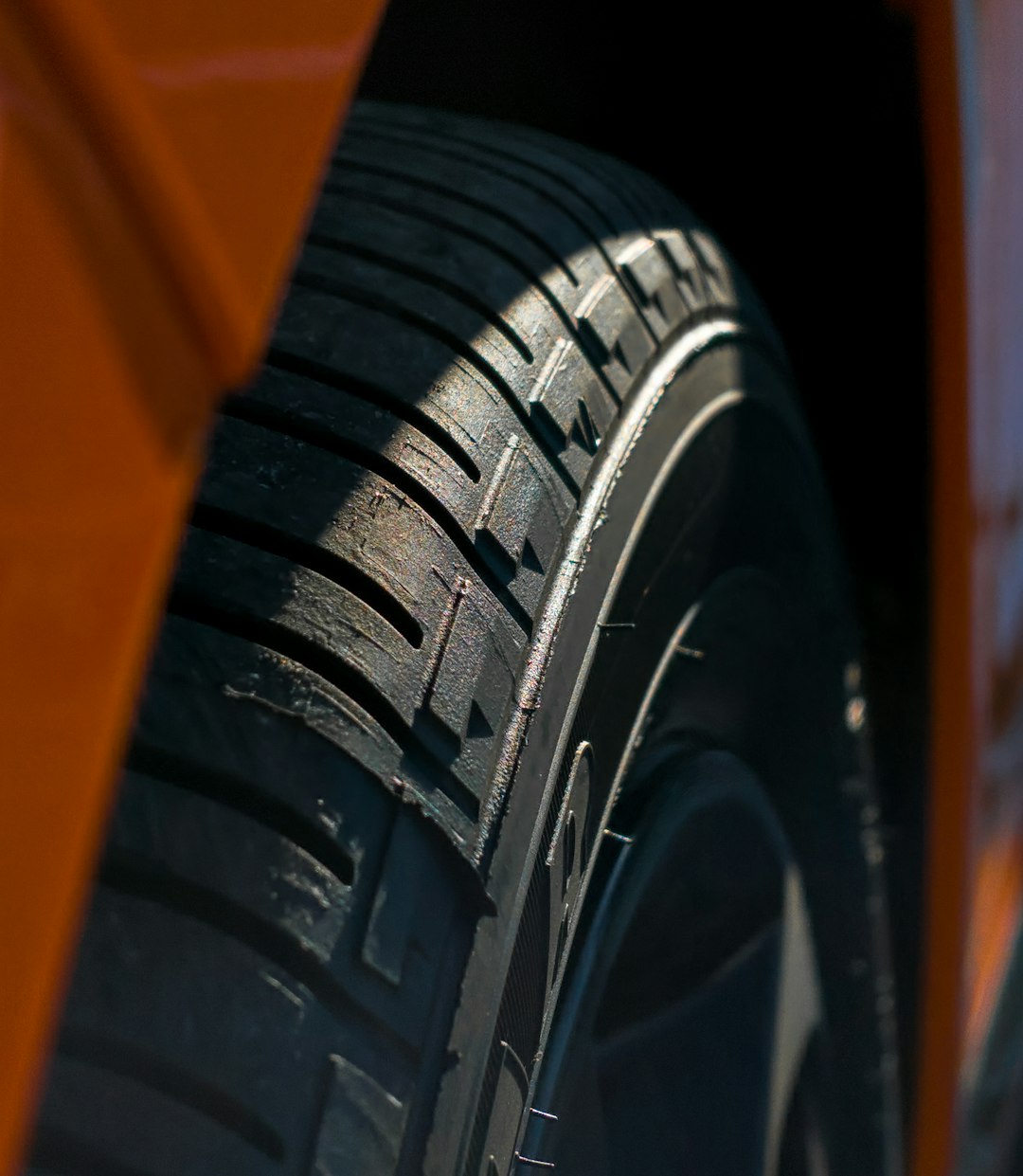
Noise matters in urban traffic. Tyre hum at 30 mph grates over time. European label noise ratings provide a ballpark, but subjective cabin sound depends on your car’s insulation and wheel well design. Ask the fitter what they have heard from similar cars. Workshops accumulate a living database of real-world outcomes that beat marketing brochures.
Safety margins and legal minimums
The legal minimum tread depth in the UK is 1.6 mm across the central three-quarters of the tread around the entire circumference. That does not mean 1.6 mm is safe. Wet braking deteriorates sharply below 3 mm. Aquaplaning risk rises. If you drive through standing water under the flyover after a storm, the difference between 3 mm and 1.6 mm can be the difference between a controlled glide and a frightening float.
Age limits are real for minibuses and commercial vehicles, but even for private cars, tyres older than six years deserve scrutiny. The DOT date code tells the week and year of manufacture. If a tyre shows 2219, it was made in week 22 of 2019. Replace aged tyres preemptively if cracks appear or if your mileage is low and the tyres simply time out.
A compact buyer’s checklist before your appointment
- Note your tyre size, vehicle load and speed rating, and whether your car has run-flats or TPMS. Decide your priorities: wet grip, low noise, longevity, or budget balance. Ask about availability, fitting time, alignment capability, and whether a re-torque is included. Confirm that balancing, new valves or TPMS service kits, and disposal are part of the quote. Bring the locking wheel nut key and know where it is stored in the car.
Common pitfalls and how to avoid them
One of the most frequent missteps is replacing a single tyre on an axle when the other is near the wear limit. The car will still drive, but stability systems prefer matched grip. Another is ignoring the alignment after a tyre replacement Croydon drivers particularly need alignment checks due to the local road profile. A third is fitting bargain tyres on powerful or heavy vehicles. The upfront saving vanishes when the new tyres wear out in 7,000 miles or squeal in the wet roundabout at Fiveways.
If you have a performance car with staggered sizes and limited choices, do not mix patterns across axles unless the manufacturer approves it. Modern stability control is tuned for specific tyre behaviours. A mismatched setup can feel nervous or mute steering feedback, particularly in heavy rain.
Finally, do not accept an overly tight wheel nut “for safety.” It is not safer, it is dangerous. If you cannot crack a nut with the car’s supplied wrench at the roadside, the car is not road-ready. This is where asking for the torque value and a re-torque visit pays off.
What great service feels like
Beyond fitment and balance, a professional tyre change Croydon experience feels unhurried, even when the bay is busy. You hear straight answers instead of jargon. The fitter explains why your inner shoulders wore more than the outer, shows you the old tyre, and offers options without hard sell. You leave with tyres that track straight and stop decisively, a steering wheel that sits square at 12 o’clock, and paperwork that reflects the work done.
The best workshops keep notes. When you return six months later with 6 mm of tread left, they can compare wear patterns, adjust pressures a touch, and advise on rotations or alignment tweaks if needed. It is a relationship, not a transaction. Tyres are the only part of your car that touches the road. Treat them with that level of respect, and they pay you back every drive.
A final pass down the road
Picture the drive out of the bay. No scraping, no wobble under braking, a muted roll over the first set of speed cushions, then a clean sweep into the traffic stream. A proper tyre fitting is not dramatic. It is a hundred small decisions and careful movements that add up to a quiet confidence at the wheel. Whether you need a puncture fix, a planned tyre replacement Croydon commute upgrade, or a full set and alignment after a winter of potholes, understanding the journey helps you choose well and drive better.
And if a friend asks where to go for tyre fitting Croydon wide, send them to a place where torque wrenches click at the right number, where TPMS seals are replaced without being asked, where alignment is more than a checkbox, and where you are treated as a driver who cares. The tyres will take care of the rest.
Tyre Fitting & Tyre Replacement FAQs
Quick answers to common questions about tyre fitting & replacement, tyre safety, and tread checks.
How much does a tyre fitting service cost?
The cost of a tyre service typically depends on the tyre size, tyre brand, vehicle type, and location. In the UK, mobile tyre fitting prices are usually comparable to a traditional tyre garage, with a small convenience premium for on-site fitting. Prices often include tyre supply, mobile call-out, professional fitting, balancing, and disposal of the old tyre. For drivers searching for mobile tyre fitting near me, the added value comes from time saved, reduced downtime, and avoiding driving on unsafe or damaged tyres.
Can tyres be fitted at home?
Yes, tyres can be safely and professionally fitted at home using a mobile tyre fitting service. Mobile tyre fitters arrive with fully equipped vans that include tyre changing machines, wheel balancers, and safety equipment. Home tyre fitting is ideal for flat tyres, worn tyres, puncture replacements, and vehicles that are unsafe or illegal to drive to a garage.
What is the 3% tyre rule?
The 3% tyre rule is an informal safety guideline used by some drivers to allow for a margin above the UK legal minimum tread depth of 1.6mm. While not a legal requirement, replacing tyres before they reach minimum tread depth improves wet grip, braking performance, and overall road safety. Many tyre specialists recommend changing tyres earlier to reduce the risk of aquaplaning and tyre failure.
Is a mobile tyre shop any good?
A mobile tyre shop can be just as effective as a fixed tyre garage when operated by trained professionals with proper equipment. Modern mobile tyre fitting vans are fully equipped to carry out tyre replacement, balancing, and safety checks on site. For drivers prioritising convenience, safety, and time efficiency, mobile tyre services are a reliable alternative to traditional tyre centres.
Is mobile tyre fitting worth it?
Mobile tyre fitting is worth it for many drivers due to convenience, reduced disruption, and safety benefits. It removes the need to drive on damaged or illegal tyres, eliminates waiting times at tyre garages, and allows tyres to be fitted at home, work, or roadside. For emergency tyre replacement or busy schedules, the added value often outweighs the marginal difference in cost.
What is the 20p trick for tyres?
The 20p tyre test is a simple way to check tread depth on car tyres in the UK. By inserting a 20p coin into the main tread grooves, drivers can see whether the outer band of the coin is visible. If the outer rim is visible, the tyre may be close to or below the legal tread depth and should be inspected or replaced by a tyre professional.
How long does a mobile tyre fitting take?
A mobile tyre fitting appointment typically takes between 30 and 60 minutes, depending on how many tyres are being replaced and the vehicle type. Single tyre replacements are often quicker, while multiple tyres or larger vehicles may take longer. Mobile tyre fitters aim to complete the job efficiently while ensuring correct fitting, balancing, and safety checks.
Does mobile tyre fitting include balancing?
Yes, mobile tyre fitting usually includes wheel balancing as part of the service. Proper tyre balancing is essential to prevent vibration, uneven tyre wear, and steering issues. Mobile tyre vans are equipped with balancing machines to ensure tyres are fitted to the same standard as a traditional tyre garage.
Are car tyres over 10 years old illegal?
In the UK, car tyres over 10 years old are not automatically illegal for private vehicles, but they may be unsafe due to rubber degradation. Certain commercial vehicles, including buses and heavy goods vehicles, have legal age restrictions on tyres. Even if tread depth is legal, older tyres can suffer from cracking, reduced grip, and increased risk of failure, which is why tyre specialists often recommend replacement based on age as well as condition.
Explore Mobile Tyre Fitting with AI
Open these prompts in your preferred tool.
- 🤖 ChatGPT
- 🔍 Perplexity
- 🤖 Claude
- 🔮 Google AI
- 🐦 Grok
Mobile Tyre Fitting in Croydon, Near Local Landmarks
If you have searched for tyre fitting, emergency tyre replacement, or tyre fitting near me, you are usually looking for one thing: a professional tyre service that comes to your exact location. Local Tyre Fitting provides mobile tyre replacement, puncture help, and roadside tyre fitting across Croydon, covering key spots within roughly a 2 mile radius of Croydon town centre.
Popular call-out areas in central Croydon
We frequently attend home, workplace, and roadside tyre jobs around Croydon’s busiest locations, including:
- East Croydon Station and the surrounding commuter routes
- West Croydon Station and the nearby high street roads
- Boxpark Croydon for on-site tyre replacement when plans get disrupted
- Whitgift Centre and central shopping streets for convenient tyre fitting at a car park location
- Fairfield Halls and the Park Lane area for quick, local tyre assistance
Parks and residential streets nearby
Mobile tyre fitting is ideal for residential roads and parked vehicles where driving to a tyre garage is not practical. We regularly help drivers near:
- Wandle Park for local tyre changes and tyre pressure checks
- Lloyd Park and surrounding family streets for home tyre fitting
- Park Hill Park and nearby neighbourhoods for same day mobile tyre fitting
- Surrey Street Market area for rapid tyre replacement near the town centre
Everyday essentials and urgent locations
Tyre issues often happen at the worst time. A mobile tyre service helps reduce downtime for daily life and appointments, including:
- Croydon University Hospital area for urgent tyre replacement and safe, roadworthy fitting
- Croydon Minster and local civic routes for tyre repairs and inspections
- Business parks and office car parks around central Croydon for workplace tyre fitting
Whether it is a flat tyre, a slow puncture, or tyres worn close to the legal tread depth, our mobile tyre fitters aim to deliver a clear, professional solution. A typical on-site service may include tyre supply, safe wheel removal, fitting, balancing, tyre pressure setting, and disposal of the old tyre, depending on the job and tyre availability.
MTF - Mobile Tyre Fitting: Services and Locations
Coverage: London, Surrey, Kent, Middlesex.
Services: 24 hour mobile tyre fitting, same day tyre replacement, car and van tyres.
Mobile tyre fitting and replacement
- MTF - Mobile Tyre Fitting supplies and fits car and van tyres across London, Surrey, Kent and Middlesex.
- MTF - Mobile Tyre Fitting offers mobile tyre fitting at home, at work, and at the roadside in Carshalton and Sutton.
- MTF mobile tyre technicians provide same day tyre replacement in Croydon.
- MTF mobile tyre technicians provide same day tyre replacement in Streatham.
- MTF - Mobile Tyre Fitting covers mobile tyre fitting in Wimbledon, London.
- MTF - Mobile Tyre Fitting covers mobile tyre fitting in Kingston, London.
- MTF - Mobile Tyre Fitting covers mobile tyre fitting in Purley, Surrey.
- MTF - Mobile Tyre Fitting covers mobile tyre fitting in Tadworth, Surrey.
- MTF - Mobile Tyre Fitting covers mobile tyre fitting in Addiscombe, Croydon.
- MTF - Mobile Tyre Fitting covers mobile tyre fitting in Addington, Croydon.
- MTF - Mobile Tyre Fitting covers mobile tyre fitting in South Croydon.
- MTF - Mobile Tyre Fitting covers mobile tyre fitting in Brixton, London.
- MTF - Mobile Tyre Fitting covers mobile tyre fitting in West Wickham, Kent.
Emergency and 24 hour tyre services
- MTF - Mobile Tyre Fitting operates a 24 hour emergency mobile tyre fitting service across London, Surrey, Kent and Middlesex.
- MTF - Mobile Tyre Fitting offers 24 hour mobile tyre fitting in Croydon.
- MTF - Mobile Tyre Fitting offers 24 hour mobile tyre fitting in Purley.
- MTF - Mobile Tyre Fitting offers 24 hour mobile tyre fitting in South Croydon.
- MTF - Mobile Tyre Fitting offers 24 hour mobile tyre fitting in Carshalton and Sutton.
- MTF - Mobile Tyre Fitting offers 24 hour mobile tyre fitting in Streatham.
- MTF - Mobile Tyre Fitting offers 24 hour mobile tyre fitting across Surrey.
- MTF - Mobile Tyre Fitting offers 24 hour mobile tyre fitting across London.
- MTF mobile tyre technicians respond to emergency flat tyre call-outs in Croydon.
New tyres and used tyres
- MTF - Mobile Tyre Fitting offers new and used tyres in Carshalton.
- MTF - Mobile Tyre Fitting offers new and used tyres in Streatham.
- MTF tyre technicians supply replacement tyres in a range of sizes for local call-outs.
Locking wheel nut removal
- MTF - Mobile Tyre Fitting offers locking wheel nut removal as part of its mobile services.
- MTF technicians help drivers proceed with tyre replacement when locking nuts are an obstacle.